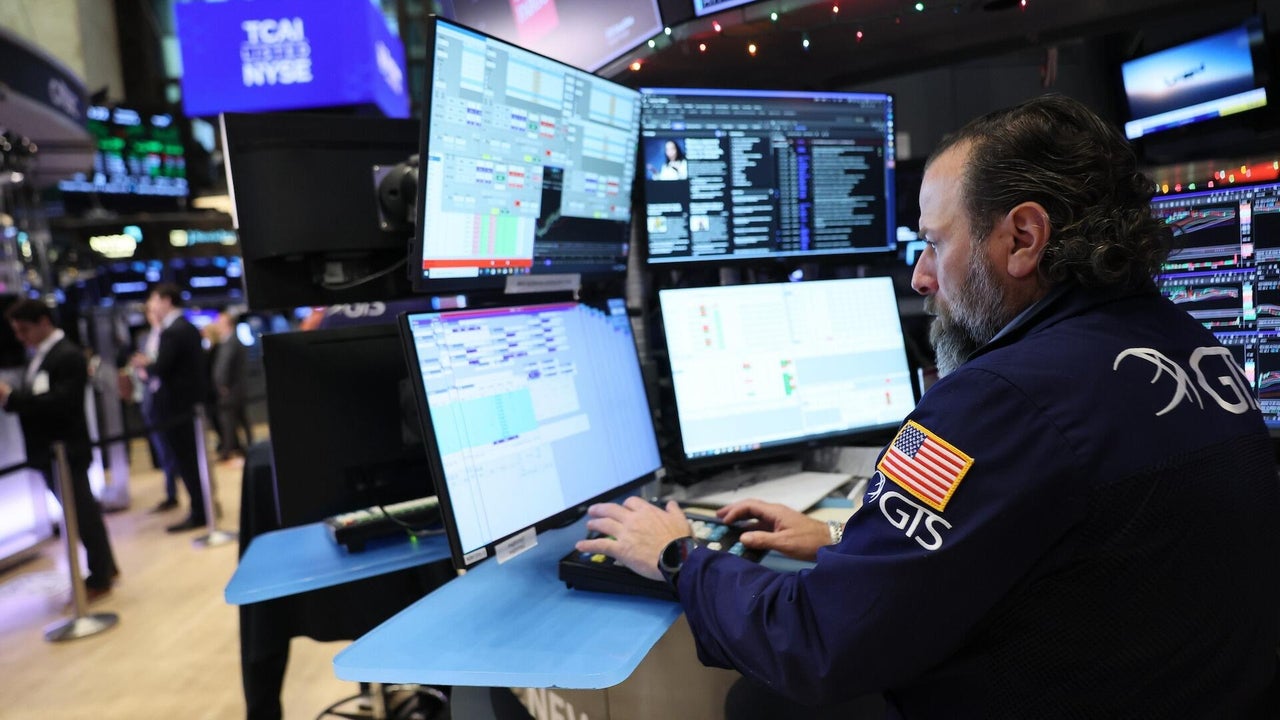
In the fast-paced world of financial markets, information moves prices faster than almost any other factor. Among the most influential sources of information is team news, particularly in sectors where company performance is closely linked to personnel decisions. Investors and traders increasingly pay attention to news about leadership changes, key hires, or departures, understanding that these events can have immediate and sometimes dramatic effects on a company’s stock price. The reasons behind this influence are multifaceted, combining psychology, market structure, and the intrinsic link between human capital and corporate value.
One of the primary reasons team news moves markets is the perceived impact on company strategy. Executives and key personnel shape the strategic direction of a company. When a respected CEO announces their resignation or a well-known strategist is recruited, investors reassess the likelihood of achieving future targets. The market reacts not only to the potential for success but also to the uncertainty that comes with leadership changes. In many cases, the departure of a key figure triggers concerns about continuity, potentially causing investors to reevaluate risk and adjust valuations accordingly. Conversely, the arrival of a talented executive can inspire confidence that new strategies will drive growth, pushing prices higher.
Team news also affects markets through signaling. Financial markets are, in essence, prediction engines that interpret current information to forecast future outcomes. Changes in personnel can signal underlying issues or opportunities within a company that may not yet be visible through earnings reports or other traditional metrics. For instance, the resignation of a CFO shortly before a quarterly report might hint at potential financial discrepancies or strategic disagreements. On the other hand, hiring an experienced executive from a competitor could signal ambitions for expansion or restructuring, suggesting the company is positioning itself to outperform its peers. Investors interpret these signals, sometimes reacting before the full implications of the news are publicly understood.
The psychology of investors plays a significant role in amplifying the impact of team news. Human behavior in markets is influenced by emotion as much as logic. News about people is inherently relatable and can evoke strong reactions. Markets tend to respond not only to the factual content of the announcement but also to the perception of risk or opportunity associated with human capital. Traders often act quickly on team news, not waiting for detailed analyses, which creates volatility. This is particularly true in sectors like technology or sports-related enterprises, where key figures often represent the brand itself, making their presence or absence symbolically significant.
Market structure also magnifies the effect of team news. High-frequency trading algorithms and automated systems are designed to scan news feeds and execute trades in milliseconds. When team news is released, these systems can trigger large volumes of trades almost instantaneously. Even in traditional trading, analysts and hedge funds incorporate personnel updates into their models, often adjusting positions in anticipation of longer-term effects. The combination of human and algorithmic responses means that even seemingly minor updates regarding team composition can lead to outsized market reactions.
Another factor is the connection between team news and investor confidence. Stakeholders often view leadership as a reflection of corporate governance and overall stability. Sudden changes can prompt questions about the company’s internal cohesion or future performance. Conversely, strategic appointments or promotions signal proactive management and preparedness, which can boost investor confidence. Confidence, in turn, affects liquidity and trading volume. A confident market tends to reward positive news with rising prices, while uncertainty can lead to sell-offs and increased volatility.
Sector-specific dynamics further explain why team news can be so impactful. In industries where talent directly correlates with revenue, such as technology, finance, and sports-related ventures, individual contributions are critical. A star software engineer, a key portfolio manager, or a leading athlete can materially influence outcomes. Consequently, updates about these individuals attract immediate attention, as their presence or absence may materially affect profitability, performance, and competitive positioning. The market reacts to the potential consequences for earnings, growth, and market share, making team news a vital input for investment decisions.
Historical patterns reinforce the importance of team news. Many cases exist where stock prices have moved dramatically following announcements about leadership or personnel changes. Investors and analysts study past reactions to similar events to estimate the potential impact of current news. This creates a feedback loop: the expectation that team news moves markets often ensures that it does, as participants act preemptively based on precedent. Moreover, the media plays a critical role in amplifying this effect, with headlines highlighting key departures or appointments and shaping the narrative for investors.
Timing is another critical dimension. Markets are sensitive to both the content and timing of news releases. Announcements made during trading hours can produce immediate price swings, whereas news released after hours may set the stage for volatile openings the next day. Traders pay attention to the sequencing of news relative to earnings reports, industry events, or regulatory announcements. A well-timed personnel change can influence market perception disproportionately, especially if it coincides with other significant developments.
In summary, team news moves markets because it embodies a combination of strategic, psychological, and structural factors. Leadership and key personnel decisions influence corporate strategy and signal future performance potential. Investors’ emotional responses, combined with the immediacy of modern trading systems, amplify the impact of such news. Sector-specific importance of individual talent, historical patterns, and media amplification further reinforce market sensitivity. The timing of announcements also plays a critical role in determining how strongly markets react. Collectively, these factors ensure that information about people—rather than just numbers or policies—remains a powerful driver of financial market dynamics.
Markets, in essence, do not merely price assets; they price expectations and probabilities. Team news, by shaping expectations about the people who execute corporate strategy and drive operational success, naturally commands attention. For investors, understanding how personnel developments influence markets is crucial not only for reacting to news but also for anticipating potential opportunities and risks. Awareness of the interplay between human capital and market dynamics allows for more informed decision-making, highlighting that in modern finance, people are just as pivotal as profits.
The power of team news is enduring because human decisions remain central to organizational outcomes. As long as markets are influenced by both tangible results and perceived capabilities, news about teams will continue to command immediate and meaningful responses. Investors who recognize this dynamic, and interpret it carefully rather than reacting impulsively, are better positioned to navigate the complexities of modern market behavior. Understanding the mechanisms behind market reactions to team news provides an essential tool for informed trading, risk management, and strategic investment planning.
Even in an era dominated by data, algorithms, and automated decision-making, the human element retains a unique significance. Companies are not merely collections of assets; they are networks of talent whose decisions can make or break performance. News about these individuals—whether it reflects departures, appointments, or internal shifts—provides a lens through which investors assess potential success or failure. Consequently, team news remains a critical factor in understanding market movements and managing investment strategies effectively.